
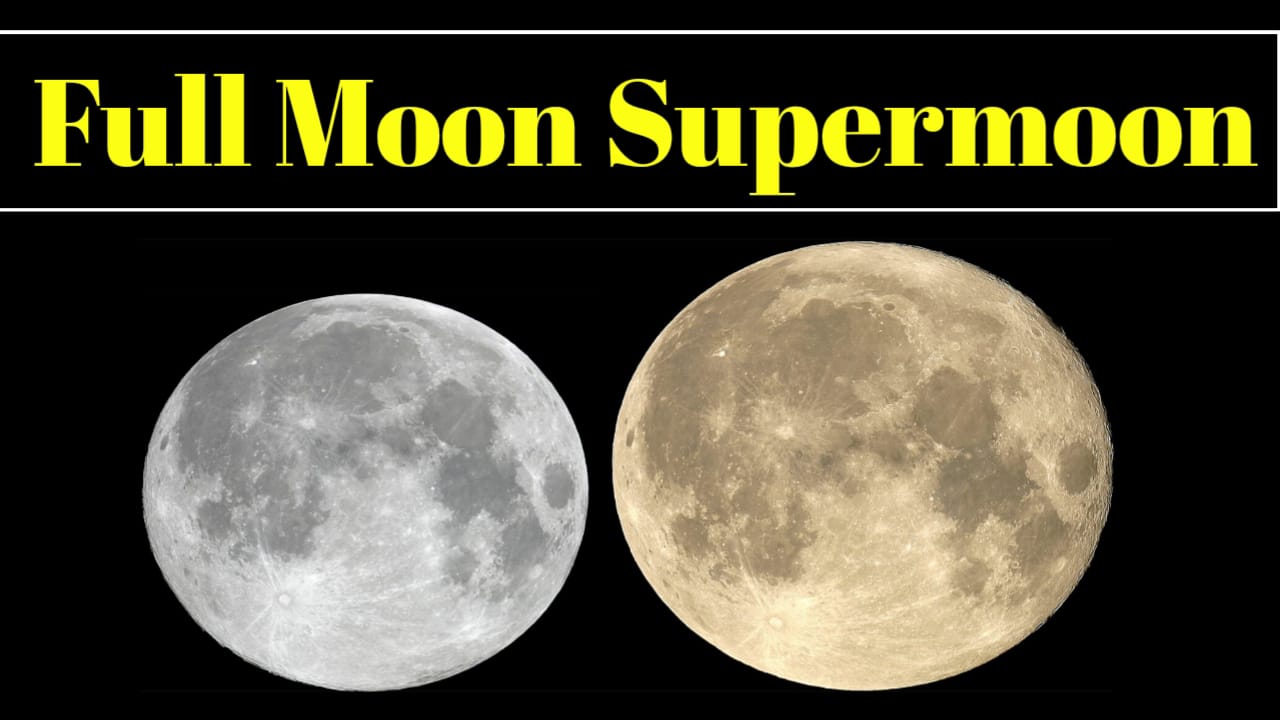
The Full Moon Wolf Supermoon is one of the most visually striking and widely discussed lunar events of the year. In early January 2026, skywatchers across the world witnessed this rare combination, when a full moon coincided with a supermoon, making it appear larger and brighter than usual. This event peaked around January 3, 2026, drawing attention from astronomers, photographers, and casual observers alike. A supermoon occurs when the full moon aligns closely with the moon’s nearest point to Earth, known as perigee. During this time, the moon can appear up to 14 percent larger and 30 percent brighter than an average full moon, creating a dramatic night sky display.
Full Moon Wolf Supermoon
The Wolf Moon is the traditional name given to the January full moon. The name comes from historical winter folklore, when wolves were often heard howling outside villages during the coldest months. When combined with a supermoon, the result is a rare and memorable celestial sight that marks the first major astronomical event of the year.
In January 2026, the Full Moon Wolf Supermoon was observed across multiple continents, with clear winter skies enhancing its visual impact. The event also sparked renewed interest in lunar cycles, seasonal astronomy, and the cultural meanings associated with full moons.
What Is the Full Moon Wolf Supermoon?
The Full Moon Wolf Supermoon is a term used when three conditions align: the moon is full, it occurs in January (Wolf Moon), and it happens during a supermoon phase. Each of these elements adds significance.
A supermoon happens when the moon reaches full phase while near perigee, its closest orbital point to Earth. This proximity causes the moon to look noticeably larger and brighter. The Wolf Moon aspect reflects long-standing naming traditions tied to seasonal changes and historical observation.
Why Is It Called the Wolf Moon?
The name Wolf Moon dates back centuries and is rooted in winter traditions. January was often associated with harsh weather and scarcity of food, leading to increased wolf activity near human settlements. The howling sounds became symbolic of midwinter nights, and the January full moon took on this name.
While the name itself is cultural rather than scientific, it remains widely used today in astronomy calendars and lunar discussions.
Key Details of the January 2026 Full Moon Wolf Supermoon
| Feature | Details |
|---|---|
| Event Name | Full Moon Wolf Supermoon |
| Date Observed | January 3, 2026 |
| Lunar Phase | Full Moon |
| Supermoon Status | Yes |
| Moon Distance | Near perigee |
| Brightness Increase | Up to 30 percent |
| Apparent Size Increase | Up to 14 percent |
| Visibility | Worldwide (weather permitting) |
ALSO READ-
How Rare Is a Wolf Supermoon?
While full moons occur every month, the combination of a Wolf Moon and a supermoon is less common. Not every January full moon qualifies as a supermoon, as the moon’s orbit varies slightly each month.
The Full Moon Wolf Supermoon stands out because it combines seasonal symbolism with orbital proximity, making it one of the most anticipated lunar events in winter astronomy.
Best Ways to Observe a Full Moon Wolf Supermoon
Observing a Wolf Supermoon does not require special equipment. It is visible to the naked eye and often looks most impressive near the horizon shortly after moonrise.
- Viewing from open areas away from city lights enhances contrast and clarity.
- Winter air conditions can improve sharpness, making surface details more visible.
Photographers often take advantage of foreground elements such as trees, buildings, or snow-covered landscapes to emphasize the moon’s apparent size.
Cultural and Emotional Significance of the Wolf Supermoon
Beyond astronomy, the Full Moon Wolf Supermoon holds symbolic meaning in many cultures. It often represents endurance, reflection, and the turning point of winter. For some, it marks a time of introspection as the new year begins under a powerful lunar presence.
The brightness of a supermoon also makes it a popular subject in art, photography, and storytelling, connecting modern observers with ancient skywatchers.
FAQs About the Full Moon Wolf Supermoon
Q1. What makes a Wolf Moon a supermoon?
A Wolf Moon becomes a supermoon when it reaches full phase near its closest point to Earth.
Q2. Does a supermoon affect Earth significantly?
Effects are minimal, though slightly stronger tides may occur.
Q3. How often does a Wolf Supermoon happen?
It occurs only when January’s full moon aligns with perigee, which does not happen every year.
Conclusion
The Full Moon Wolf Supermoon of January 2026 was a striking reminder of the moon’s beauty and influence. Combining cultural history with astronomical precision, this event offered a brighter, larger, and more captivating full moon to begin the year. Whether admired for its scientific interest or symbolic meaning, the Wolf Supermoon continues to inspire curiosity and appreciation for the rhythms of the night sky.