
The Lincoln Wheat Penny value guide is an essential reference for collectors and coin enthusiasts who want to understand the worth of these historic U.S. coins. The Lincoln Wheat Penny was minted from 1909 to 1958 and was the first American coin to feature a real person, President Abraham Lincoln. Produced by the United States Mint, these pennies were struck at Philadelphia, Denver, and San Francisco mints, with mint marks playing a major role in value. While many wheat pennies are worth just a few cents, rare dates like 1909-S VDB, 1914-D, and 1922 No D can be worth hundreds or even thousands of dollars, depending on condition and rarity.
Lincoln Wheat Penny Value Guide
Lincoln Wheat Pennies remain highly collectible due to their historical importance, copper composition, and wide range of values. Most coins were made of 95 percent copper, which adds intrinsic metal value alongside numismatic demand. As of 2026, interest in wheat pennies continues to grow, especially among beginner collectors and long-term investors seeking tangible assets.
Understanding how dates, mint marks, and condition affect value is the key to using a Lincoln Wheat Penny value guide effectively.
What Is a Lincoln Wheat Penny?
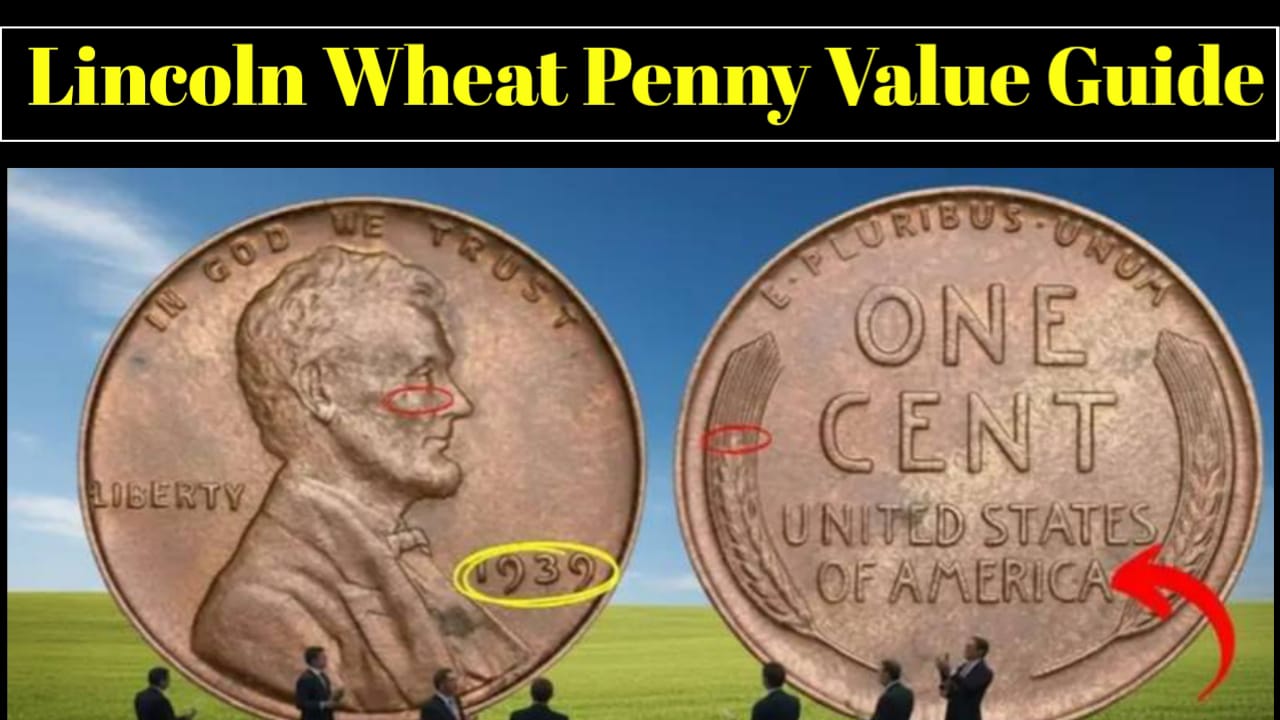
A Lincoln Wheat Penny, often called a wheat cent, features Abraham Lincoln on the obverse and two wheat stalks on the reverse. This design symbolized national prosperity and was used for nearly 50 years.
These coins replaced the Indian Head cent in 1909 and were later replaced by the Lincoln Memorial penny in 1959. Because of their long production run, wheat pennies exist in both common and extremely rare varieties.
Key Factors That Determine Lincoln Wheat Penny Value
Several factors influence the Lincoln Wheat Penny value in today’s collector market. Date and mint mark are the most important, followed closely by condition and rarity.
Coins with low mintages, minting errors, or historical significance tend to command higher prices. Even small differences, such as the presence or absence of a mint mark, can significantly affect value.
Lincoln Wheat Penny Value Chart by Key Dates
| Year | Mint Mark | Estimated Value (Circulated) | Estimated Value (Uncirculated) |
|---|---|---|---|
| 1909 | None | $10–$20 | $75–$150 |
| 1909-S VDB | S | $700–$1,500 | $2,500+ |
| 1914-D | D | $150–$300 | $2,000+ |
| 1922 No D | None | $500–$1,000 | $5,000+ |
| 1931-S | S | $75–$150 | $600+ |
| 1943 Copper | None/D/S | $100,000+ | Extremely rare |
| 1955 Doubled Die | None | $1,000–$2,500 | $15,000+ |
| 1958 | None | $0.10–$0.50 | $10–$25 |
ALSO READ-
Rare and Valuable Lincoln Wheat Pennies
Some wheat pennies are considered legendary among collectors. The 1909-S VDB is prized for its low mintage and designer initials. The 1943 copper penny is one of the most famous error coins in U.S. history, created when copper blanks were mistakenly used during World War II.
- Rare wheat pennies can increase dramatically in value when professionally graded.
- Authentication is critical for high-value coins to avoid counterfeits.
How Condition Affects Lincoln Wheat Penny Prices
Coin condition, often called grade, plays a major role in determining the Lincoln Wheat Penny value. Coins range from heavily worn to mint-state condition with full detail and original luster.
Uncirculated wheat pennies can be worth many times more than worn examples of the same date. Even common dates can carry premiums if preserved exceptionally well.
Are Lincoln Wheat Pennies Good Investments?
Many collectors view wheat pennies as long-term collectibles rather than quick-profit investments. Their value is supported by historical importance, copper content, and steady collector demand.
While not every wheat penny is rare, building a complete set or holding key dates can be rewarding over time. Market trends in 2026 continue to show stable interest in classic U.S. cents.
Tips for Collecting Lincoln Wheat Pennies
New collectors should focus on learning dates, mint marks, and basic grading skills. Storing coins properly helps maintain condition and value.
Using a reliable Lincoln Wheat Penny value guide ensures you understand fair pricing and avoid overpaying for common coins.
FAQs About Lincoln Wheat Penny Value
Q1. Are all Lincoln Wheat Pennies valuable?
No, many common dates are worth only a few cents, while rare ones can be very valuable.
Q2. What is the most valuable wheat penny?
The 1943 copper wheat penny is among the most valuable and rare.
Q3. Does copper content affect wheat penny value?
Yes, copper adds intrinsic value, especially during periods of high metal prices.
Conclusion
The Lincoln Wheat Penny value guide highlights how a simple one-cent coin can carry significant historical and financial worth. From common copper cents to rare key dates worth thousands, wheat pennies remain a cornerstone of U.S. coin collecting. By understanding dates, mint marks, and condition, collectors can better appreciate these iconic coins and make informed decisions in today’s market.