
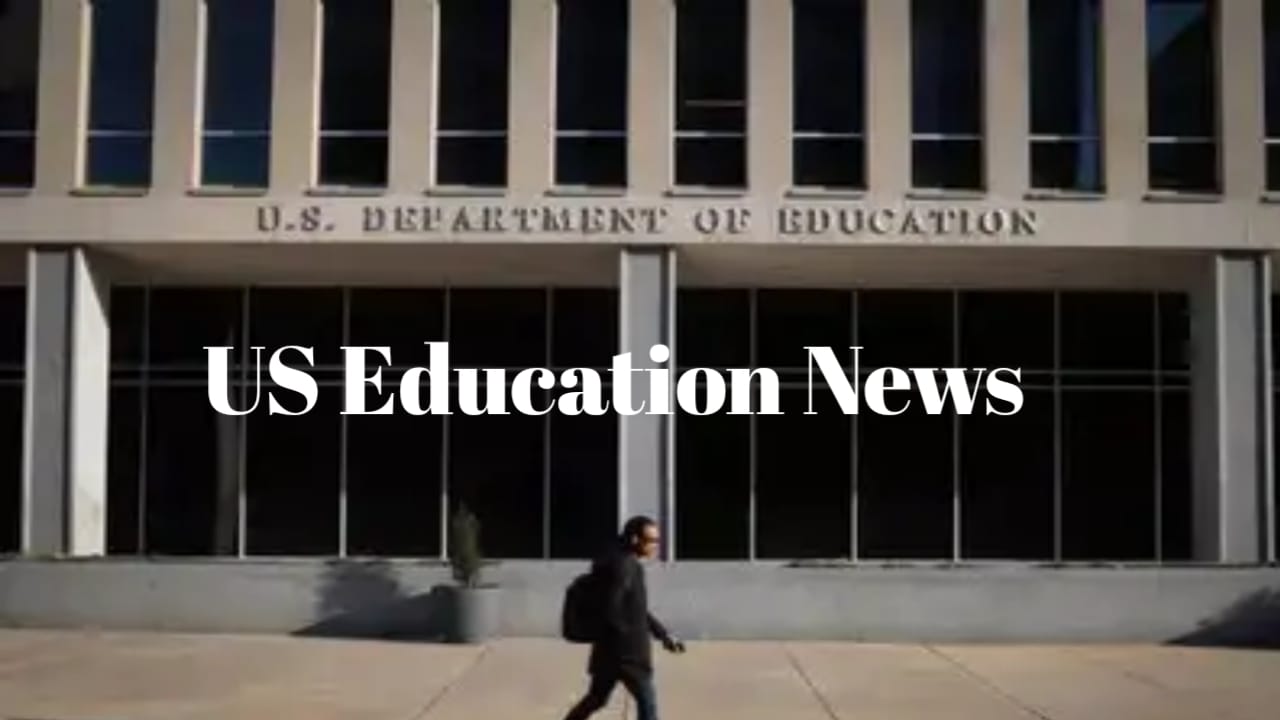
The US Education News for early 2026 highlights a major policy move by the US Department of Education aimed at reshaping how federal education rules support students. In January 2026, the Department officially announced a new negotiated rulemaking process focused on reimagining and improving student education outcomes across the country. This initiative affects millions of students, institutions, and education service providers nationwide. The rulemaking process will review existing regulations under federal higher education laws, especially those connected to student protections, institutional accountability, and administrative practices. According to official figures, federal student aid programs currently support over 40 million borrowers and distribute hundreds of billions of dollars annually, making regulatory clarity a national priority.
US Education News 2026
The Department’s decision reflects growing concerns about student debt, access to quality education, and fair institutional practices. Policymakers have acknowledged that outdated rules may not fully address modern challenges such as rising tuition costs, institutional transparency, and equitable student support systems.
This development places education policy at the center of national discussion in 2026, with stakeholders from colleges, universities, student advocacy groups, and education service organizations participating in the process.
What the New US Education Rulemaking Is About
The newly announced rulemaking is designed to evaluate and potentially revise regulations governing higher education programs that receive federal support. The goal is to ensure students are better protected while institutions operate under clearer, more effective standards.
Key focus areas include student success, responsible administration, and improved oversight mechanisms. The Department has emphasized collaboration and evidence-based policymaking throughout this process.
Key Objectives of the Education Department Initiative
The rulemaking process is centered on several core objectives that directly impact students and institutions.
Main Goals of the Initiative
- Strengthening student protections and transparency
- Improving administrative efficiency across education programs
Timeline and Scope of the Rulemaking Process
The process follows a structured federal framework that includes public input, expert negotiations, and policy review. The following table outlines the major components of the initiative.
| Aspect | Details |
|---|---|
| Launch Period | January 2026 |
| Governing Authority | US Department of Education |
| Primary Focus | Student outcomes and accountability |
| Stakeholder Involvement | Institutions, students, service providers |
| Rulemaking Type | Negotiated rulemaking |
| Affected Programs | Federal higher education aid |
| Estimated Impact | Millions of students nationwide |
| Policy Outcome | Updated and clarified regulations |
ALSO READ-
Why This Matters for US Students in 2026
For students, this initiative signals potential improvements in how education policies are enforced. Updated rules may lead to clearer communication, stronger institutional accountability, and better protection of student interests.
With rising education costs and increased reliance on federal aid, students benefit when policies are aligned with current realities. The Department has stated that improving outcomes, not increasing complexity, is a central objective.
Impact on Colleges and Education Institutions
Colleges and universities are expected to review their internal practices in light of potential regulatory updates. Institutions participating in federal aid programs must ensure compliance with revised standards once finalized.
This process may also encourage institutions to strengthen student support systems, improve data transparency, and align administrative practices with federal expectations.
Role of Stakeholders in the Rulemaking Process
The negotiated rulemaking model allows diverse voices to participate. Education experts, institutional representatives, and student advocates contribute perspectives that shape the final regulatory framework.
This collaborative approach aims to produce balanced policies that support both educational access and institutional responsibility.
What This Means for the Future of US Education Policy
The 2026 rulemaking initiative reflects a broader shift in US education policy toward accountability and measurable student success. Rather than focusing solely on compliance, the Department is emphasizing long-term educational outcomes.
This approach may influence future education reforms and set a precedent for how federal education policies are updated in response to changing student needs.
Frequently Asked Questions
What is negotiated rulemaking in US education?
It is a formal process where stakeholders collaborate with the government to draft and revise education regulations.
Who will be affected by this rulemaking?
Students, colleges, universities, and organizations involved in federal education programs will be impacted.
When will the final rules be implemented?
Final regulations are expected after the completion of negotiations and formal review, likely later in 2026.
Conclusion
The latest US Education News underscores a significant step by the US Department of Education to modernize education regulations in 2026. By launching a comprehensive rulemaking process, the Department aims to improve student outcomes, strengthen protections, and ensure federal education programs operate effectively. As discussions progress, this initiative is expected to shape the future of higher education policy and directly influence how millions of students experience the US education system.