
The Bicentennial Quarter is one of the most recognized and collected U.S. coins, issued to commemorate America’s 200th anniversary. Minted during 1975 and 1976, these special quarters feature the dual date 1776–1976 and a unique reverse design showing a Colonial drummer. According to official U.S. Mint records, more than 1.6 billion Bicentennial quarters were produced across Philadelphia, Denver, and San Francisco. While most are common, select versions can be surprisingly valuable in 2026, especially silver and proof strikes. Understanding the Bicentennial quarters value depends on mint mark, condition, composition, and rarity.
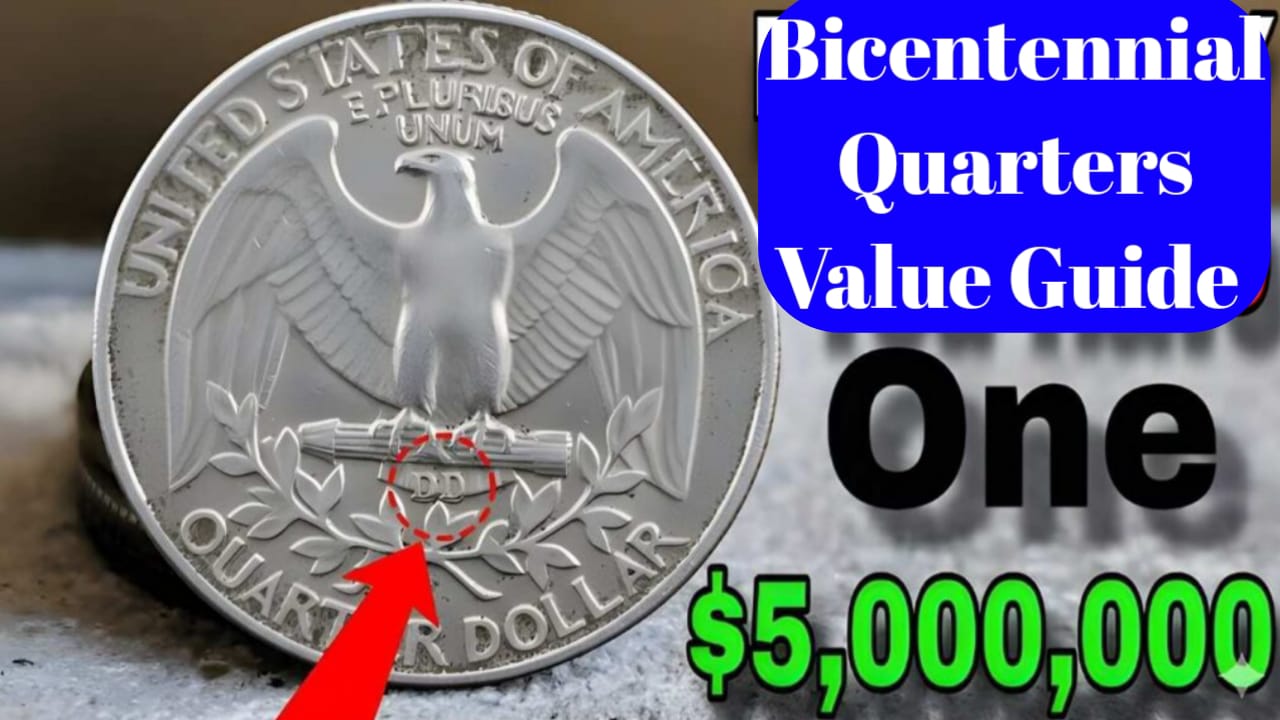
Bicentennial Quarters Value Guide
Collectors often assume age alone determines value, but with Bicentennial quarters, that’s not the case. These coins were widely circulated, which keeps many values close to face value. However, uncirculated examples, silver-clad versions, and high-grade proofs can sell for significantly more. This Bicentennial quarter value guide breaks down what truly matters when pricing these historic coins.
With steady interest in U.S. commemorative coinage and a growing collector base, values have remained stable into early 2026. This guide reflects the most recent verified numismatic data available up to the current month and year, focusing on practical, easy-to-understand insights without technical overload.
What Is a Bicentennial Quarter?
A Bicentennial Quarter is a special edition of the Washington quarter issued to honor 200 years of American independence. Instead of the traditional eagle, the reverse features a drummer boy with a victory torch and 13 stars. All Bicentennial quarters carry the dual date 1776–1976, regardless of whether they were struck in 1975 or 1976.
Bicentennial Quarters Value Overview by Type
The value of a Bicentennial quarter varies widely based on mint location, metal content, and condition.
Bicentennial Quarter Value Chart (Estimated 2026 Values)
| Type & Mint Mark | Composition | Condition | Estimated Value (USD) |
|---|---|---|---|
| Philadelphia (No Mint Mark) | Copper-Nickel | Circulated | $0.25 – $0.50 |
| Philadelphia (No Mint Mark) | Copper-Nickel | Uncirculated | $1 – $3 |
| Denver (D) | Copper-Nickel | Circulated | $0.25 – $0.50 |
| Denver (D) | Copper-Nickel | Uncirculated | $1 – $4 |
| San Francisco (S) Proof | Copper-Nickel | Proof | $3 – $6 |
| San Francisco (S) Silver-Clad | 40% Silver | Uncirculated | $8 – $15 |
| San Francisco (S) Silver Proof | 40% Silver | Proof | $15 – $30 |
| High-Grade MS67+ | Varies | Certified | $150 – $400+ |
ALSO READ-
Silver vs Clad Bicentennial Quarters
Not all Bicentennial quarters contain silver. Most were struck in standard copper-nickel clad metal for circulation. Only San Francisco produced 40% silver Bicentennial quarters, sold directly to collectors in special mint sets.
Key differences collectors look for:
- Silver versions weigh slightly more and have a solid silver edge without the copper stripe.
- Clad coins show a visible copper core along the edge.
This distinction plays a major role in determining Bicentennial quarters value.
What Makes a Bicentennial Quarter Valuable?
Several factors influence whether a Bicentennial quarter is worth more than face value:
- Condition and Grade: Coins with minimal wear or professionally graded MS67 and above command premiums.
- Mint Mark and Finish: San Francisco proof and silver issues are more desirable than Philadelphia or Denver circulation strikes.
Other contributors include strike quality, luster, and the absence of surface marks.
Are Bicentennial Quarters Rare?
Despite their popularity, most Bicentennial quarters are not rare due to extremely high mintage numbers. However, rarity exists at the top end of the grading scale. Coins preserved in near-perfect condition or error-free proof examples are scarce and sought after by advanced collectors.
In the current market, scarcity is driven more by condition rarity than production rarity.
Common Mistakes When Valuing Bicentennial Quarters
Many owners overestimate value simply because the coin is old or commemorative. In reality, circulated examples typically trade at or near face value unless they meet specific criteria like silver content or exceptional condition.
Avoid cleaning coins, as this can permanently reduce collector value.
FAQs About Bicentennial Quarters Value
Are Bicentennial quarters worth money today?
Most circulated coins are worth face value, but silver and high-grade examples can be worth significantly more.
How do I know if my Bicentennial quarter is silver?
Check the edge for a solid silver color and verify the “S” mint mark from San Francisco.
Can a Bicentennial quarter be worth $1,000?
Only in rare cases involving top-tier certified grades or unusual mint errors; most do not reach that level.
Conclusion
The Bicentennial Quarter remains an iconic piece of U.S. coin history, blending patriotic design with mass production. While the majority hold modest value, select versions—especially silver, proof, and high-grade uncirculated coins—continue to attract collector interest in 2026. By understanding mint marks, composition, and condition, collectors can accurately assess Bicentennial quarters value without relying on hype or outdated assumptions. For both beginners and seasoned numismatists, these coins offer an accessible entry into commemorative U.S. coin collecting with real, measurable value.